Why Your Tankless Hot Water Smells Like Rotten Eggs (and How to Fix It)
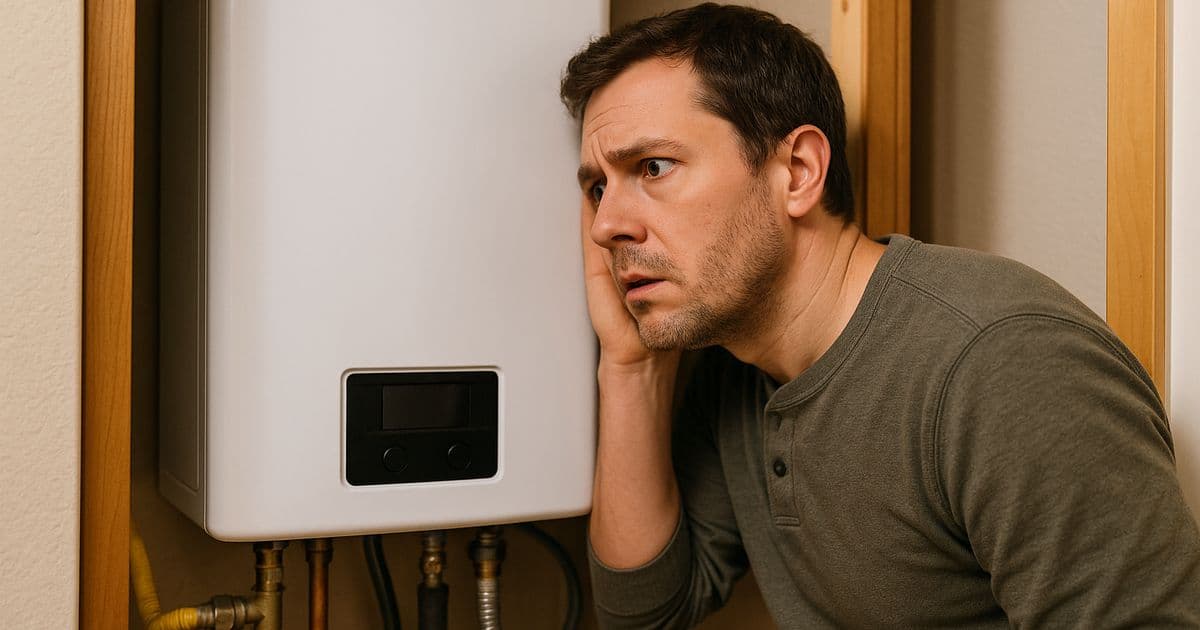
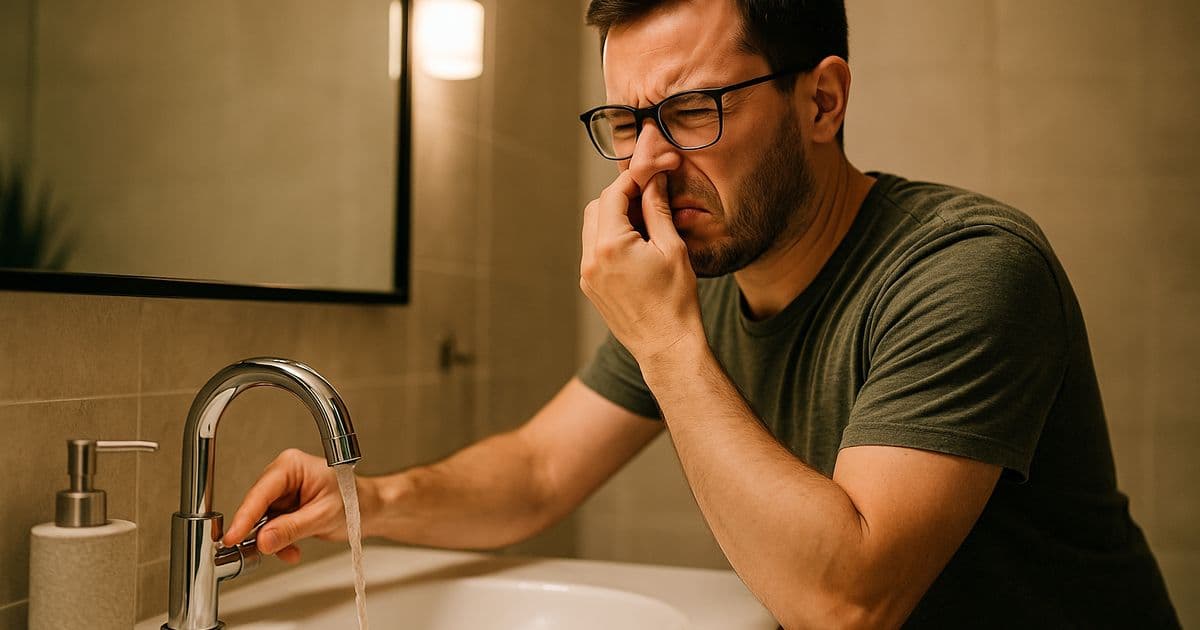
You turn on the hot water and the smell hits you before the water even reaches temperature. Sulfur. Rotten eggs. That unmistakable, stomach-turning odor that makes you question whether the water is safe to touch, let alone drink.
Then you try the cold water. It's fine. No smell at all.
This hot-water-only pattern is the single most important clue to diagnosing the problem, and it points directly to what's happening inside your tankless water heater.
The Science: Hydrogen Sulfide and Where It Comes From
The rotten egg smell is caused by hydrogen sulfide gas (H2S). Even at extremely low concentrations — as little as 0.5 parts per billion — the human nose can detect it. That's why the odor seems so strong even when the actual amount of gas in the water is minuscule.
The EPA considers hydrogen sulfide a nuisance contaminant at residential concentrations, though it makes water extremely unpleasant. Hydrogen sulfide in your hot water typically comes from one of two sources, and sometimes both are active simultaneously.
Source 1: Sulfate-Reducing Bacteria
The most common cause is a group of microorganisms called sulfate-reducing bacteria (SRB). These bacteria are not harmful pathogens — they won't make you sick. But they produce hydrogen sulfide as a metabolic byproduct, and even a small colony can generate enough gas to make your water smell terrible.
Sulfate-reducing bacteria need three things to thrive:
- Sulfate ions. Present naturally in most municipal water supplies, including Orange County's.
- Warm temperature. SRB are most active between 77 and 140 degrees Fahrenheit — exactly the temperature range inside a water heater.
- Low oxygen. The interior of a heat exchanger, particularly in areas with stagnant or slow-moving water, provides the anaerobic (low-oxygen) environment these bacteria prefer.
Your tankless unit, despite its on-demand design, still contains residual water in the heat exchanger between uses. When the unit sits idle — overnight, during a workday, or during a vacation — that trapped warm water becomes a breeding ground for SRB. The bacteria consume sulfate ions in the water and excrete hydrogen sulfide as waste. When you turn on the hot water, the gas-laden water reaches your faucet and the smell hits.
Source 2: Chemical Reaction with the Anode Rod
Some tankless water heaters — particularly certain Navien and A.O. Smith models — include a small sacrificial anode rod designed to protect the heat exchanger from corrosion. These rods are typically made of magnesium or aluminum.
When a magnesium anode rod reacts with sulfate ions in the water, it can produce hydrogen sulfide through a direct chemical reaction — no bacteria required. This reaction is accelerated by warm temperatures and high sulfate content in the water.
If your smell problem started shortly after installing a new unit or replacing components, the anode rod may be the primary cause. If the smell developed gradually over months, bacterial colonization is more likely.
In many Orange County homes, both mechanisms are active: the anode rod produces some hydrogen sulfide through chemical reaction, and the resulting sulfur-rich environment encourages SRB to colonize, amplifying the problem.
Why Only Hot Water Smells
This is the question that confuses homeowners the most, and the answer is straightforward once you understand the mechanism.
Cold water travels from the municipal supply to your fixtures without being heated. Chlorination suppresses bacterial growth, and the water moves quickly without sitting in a warm environment. No opportunity for SRB to colonize.
Hot water takes a different path — through the heat exchanger, where it's heated to 120+ degrees. The exchanger maintains residual warmth between uses, and any trapped water sits in a warm, low-oxygen environment ideal for SRB. Additionally, heating water reduces its ability to hold dissolved gases, so hydrogen sulfide that was undetectable in cold water releases from solution when heated and becomes perceptible at the tap.
The combination of bacterial production inside the unit, potential anode rod reactions, and thermal degassing explains why the smell appears exclusively on the hot side.
How Scale Makes the Smell Worse
Scale buildup inside your tankless water heater doesn't directly produce hydrogen sulfide, but it dramatically worsens the conditions that allow SRB to thrive.
A clean, smooth heat exchanger surface is difficult for bacteria to colonize — water flows past quickly with few places for colonies to anchor. Scale changes that entirely. Mineral deposits create a rough, porous surface full of microscopic crevices where bacteria can establish without being swept away. As scale narrows the passages, it also creates pockets of slow-moving, stagnant water — exactly the low-oxygen environment SRB need to multiply.
The relationship between scale and SRB creates a self-reinforcing cycle. Scale provides habitat for bacteria. Bacteria produce biofilm that traps more minerals. More minerals mean more habitat. The smell gets progressively worse over time, which is why homeowners often report that the rotten egg odor appeared gradually and has been getting stronger month over month.
The Fix: Flush Plus Sanitization
Eliminating the rotten egg smell requires addressing both the scale habitat and the bacterial colonies. A standard descaling flush handles the first part. A sanitization treatment handles the second.
Step 1: Descaling Flush
The technician isolates the heat exchanger and circulates commercial-grade descaling solution through the unit for 45-60 minutes. The solution dissolves calcium and mineral deposits, removing the rough, porous surface that bacteria use as habitat. Without scale, SRB lose their primary colonization sites.
This step also restores full flow through the heat exchanger, eliminating the stagnant zones where bacteria thrived. Better water flow means more oxygen in the system, which further discourages anaerobic SRB.
Step 2: Sanitization
After descaling, the technician circulates a sanitizing solution through the heat exchanger. This kills any remaining SRB colonies and eliminates residual biofilm. The sanitization step is critical — descaling alone removes the habitat but may leave live bacteria that could recolonize once conditions allow.
Step 3: Thorough Rinse
Clean water flushes all descaling solution, sanitizer, dissolved scale, and dead bacterial matter from the system. The unit is then returned to normal operation.
Most homeowners notice the smell is gone immediately after the service. In cases with very heavy bacterial colonization, a faint odor may persist for a day or two as the last traces of hydrogen sulfide work their way out of the plumbing downstream from the unit, but it resolves quickly.
The Anode Rod Question
If your unit has a magnesium anode rod and the smell returns relatively quickly after a flush and sanitization — within a few weeks rather than months — the anode rod may be the primary driver.
Options for Anode Rod Issues
Switch to an aluminum-zinc anode rod. Aluminum-zinc alloy rods provide similar corrosion protection but produce significantly less hydrogen sulfide. This is the most common fix for anode-related smells.
Install a powered anode rod. Powered (impressed current) rods use a small electrical current for corrosion protection without any chemical reaction. They cost more upfront but last indefinitely and eliminate the sulfur problem entirely.
Remove the anode rod. This stops the chemical reaction but removes corrosion protection. In Orange County's hard water, this may be acceptable for copper heat exchangers but risky for stainless steel units. Consult your manufacturer before removing the rod.
Not all tankless units have anode rods. Your owner's manual or a quick check during a flush service will confirm whether yours does. If you notice error codes on your display panel alongside the smell, both issues may share a root cause in severe scale buildup.
Prevention: Keeping the Smell from Coming Back
Once the smell is gone, the goal is to prevent SRB from recolonizing. Here's what works:
Maintain a Regular Flush Schedule
The single most effective prevention measure. Regular flushing removes scale before it can build up enough to provide bacterial habitat. In Orange County, that means flushing every 6-9 months without a water softener, or annually with one. Staying on schedule also protects your manufacturer warranty and extends the overall lifespan of your unit.
If you've had a rotten egg smell before, err toward the shorter end of that range. Your water chemistry and unit configuration have already demonstrated susceptibility to SRB, so staying ahead of the problem is worth the effort. Our post on hard water in Orange County explains why local conditions accelerate every maintenance timeline.
Run Hot Water at Unused Fixtures
If you have a guest bathroom or any hot water fixture that goes unused for days at a time, run the hot water for 30-60 seconds every few days. This flushes stagnant water from the heat exchanger and replaces it with fresh, chlorinated supply water. Extended vacations are a common trigger — two weeks of warm, stagnant water is enough for SRB to establish a significant colony. Before leaving, consider turning the unit off so residual water cools to room temperature.
Consider a Water Softener
A water softener dramatically reduces the scale that provides bacterial habitat, meaning fewer colonization sites and more time between necessary flushes. See our water softener guide for Orange County-specific recommendations.
Monitor for Early Signs
The smell starts faint — a slight sulfur whiff first thing in the morning when water has been sitting in the unit overnight. If you catch it at that stage and schedule a flush promptly, you can stop the colony before it becomes established. Other symptoms that often accompany SRB activity include reduced hot water pressure, temperature fluctuations, and unusual sounds from the unit.
When the Smell Is Not Your Water Heater
In rare cases, the rotten egg smell has nothing to do with your tankless unit. Before you schedule a flush, rule out these alternative sources:
- Drain trap issues. A dry P-trap under a sink or shower can allow sewer gas into the room. If the smell is near the drain rather than from the water, pour water into the drain to refill the trap.
- Municipal water supply. If both hot and cold water smell, the source is upstream of your water heater. Contact your water provider.
- Garbage disposal. Food debris in the disposal can produce sulfur-like odors. If the smell is only at the kitchen sink, clean the disposal first.
- Water softener malfunction. A malfunctioning softener can promote SRB growth in the softener tank itself, sending sulfur-laden water to all fixtures. The Water Quality Association offers a directory of certified water treatment professionals if you suspect your softener needs service.
If the smell is exclusively from hot water at multiple fixtures throughout the house, your tankless water heater is the source.
Eliminate the Smell for $399
Tankless Flush Pro's flat-rate $399 flush service includes commercial-grade descaling, system sanitization, inlet filter cleaning, and a full inspection — everything needed to eliminate the rotten egg smell and prevent it from returning. We service every city in Orange County with no trip fees and no hidden charges.
Schedule your flush and sanitization today. The smell is fixable, and you shouldn't have to hold your breath every time you turn on the hot water.